 Language, curiosity, and reasoning
How to Teach Kids to Ask Better Questions: A K–8 Guide
A practical Notice–Wonder–Choose–Ask–Use routine that helps K–8 learners form useful questions and act on the answers.
Read the guideClear, useful articles for families and educators—organized around math, attention, memory, logic, and the needs of learners from kindergarten through grade 8.
Focusplay brings grade-appropriate math, logic, memory, and attention practice into one colorful learning space. Learners can build skills through short game rounds, earn rewards, and return to activities matched to their grade level.
Language, curiosity, and reasoningA practical Notice–Wonder–Choose–Ask–Use routine that helps K–8 learners form useful questions and act on the answers.
Read the guide Parent guidance and math learning
A calm Hear–Name–Narrow–Try–Return routine that turns a broad judgment about math ability into one specific, workable next step.
Read the guide Language and writing strategies
A practical Meaning–Add–Connect–Read–Revise routine and seven activities for building clearer, more informative sentences across K–8.
Read the guide Attention and healthy learning habits
A practical Clear–Choose–Place–Protect–Reset routine for creating a study space that supports attention without demanding a perfect room.
Read the guide Executive function and learning strategies
A practical Stop–Name–Choose–Do–Check routine helps K–8 learners pause, define a task, select a strategy, begin, and review their work.
Read the guide Memory and learning strategies
A practical Name–Group–Label–Use–Check routine for organizing directions, reading, vocabulary, numbers, and study tasks.
Read the guide Attention and observation strategies
A practical Set–Sweep–Spot–Check routine and seven adaptable activities for careful, organized visual searching.
Read the guide Educational games and reflection
A practical Pause–Recall–Explain–Connect–Next routine for turning play into visible, transferable thinking.
Read the guide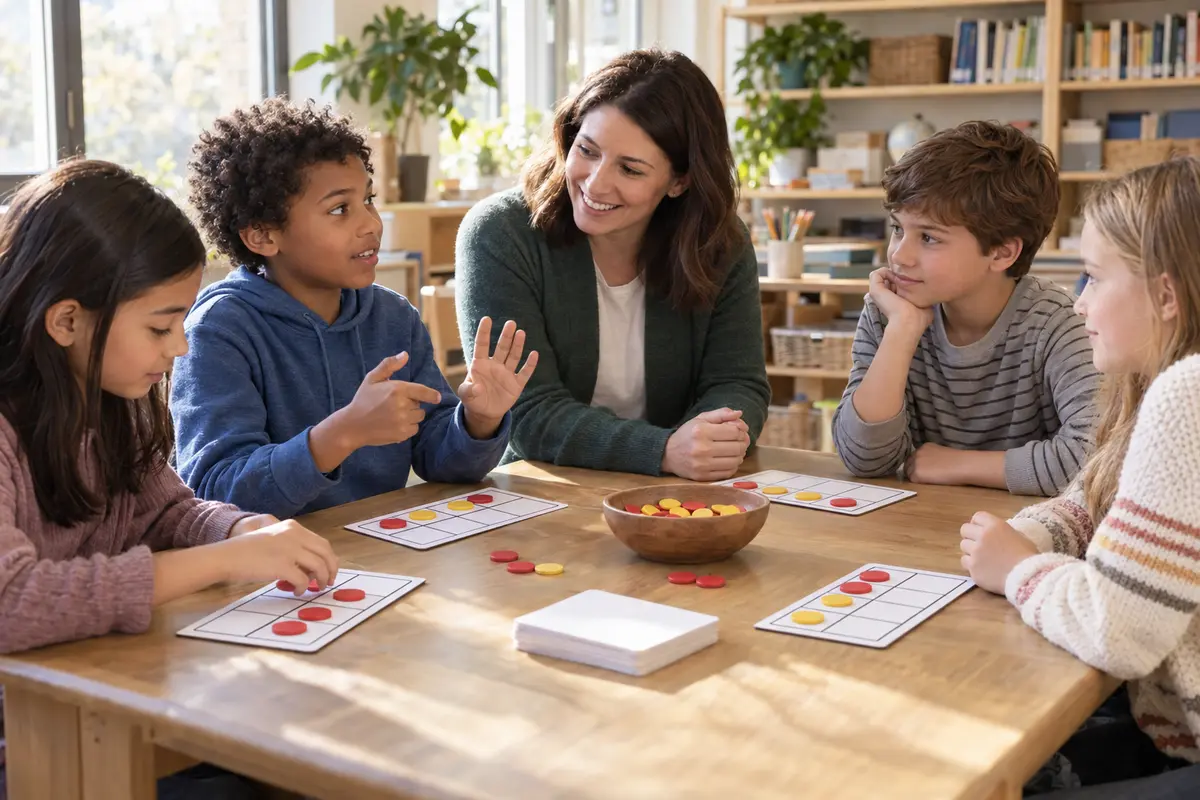 Math learning and practice
A practical Understand–Connect–Practice–Apply routine for building accurate, flexible, and increasingly efficient math fact recall.
Read the guide Attention and classroom routines
A practical Cue–Close–Move–Begin routine that makes K–8 classroom transitions clear, teachable, and easier to adjust.
Read the guide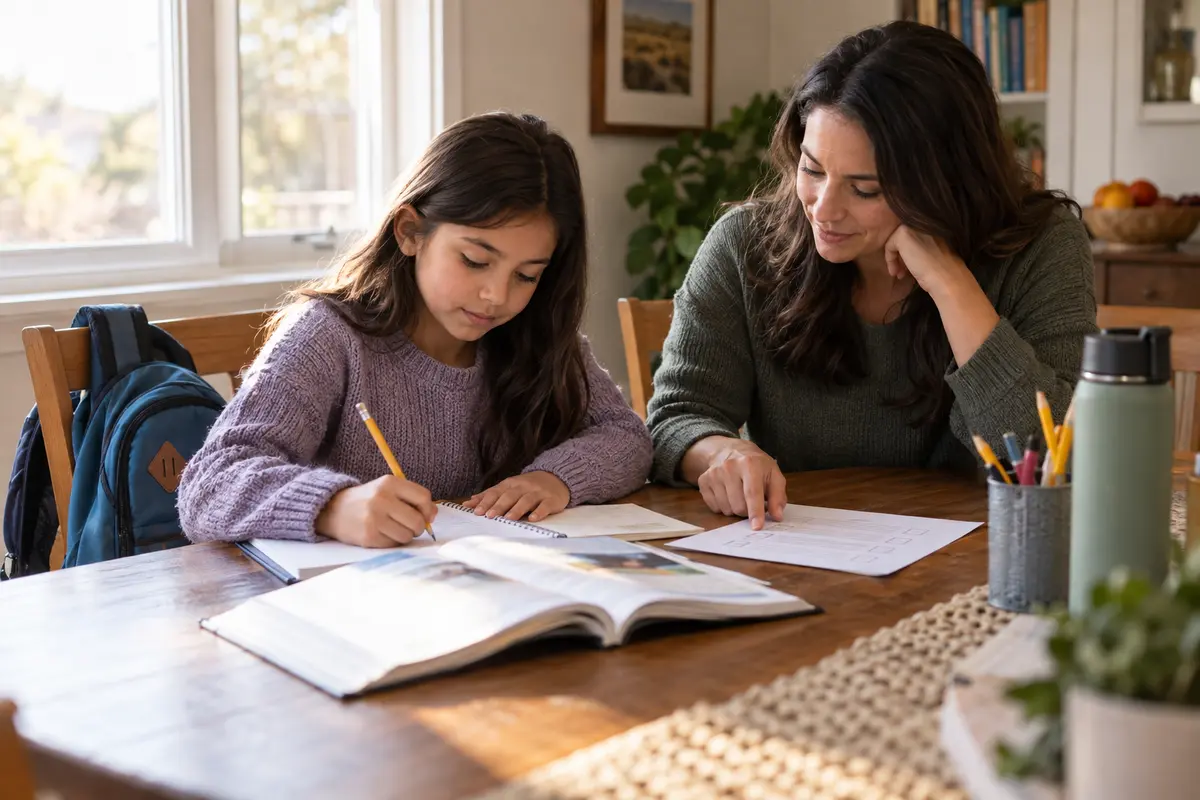 Parent guidance and homework routines
A practical Pause–List–Choose–Set–Start routine that makes the transition into homework clearer without taking over the child’s work.
Read the guide Language and reading strategies
Practical before-, during-, and after-reading questions that help K–8 learners notice evidence, explain ideas, and connect meaning.
Read the guide Memory and study strategies
A practical Recall–Check–Correct–Return routine for using retrieval practice without turning review into a high-pressure test.
Read the guide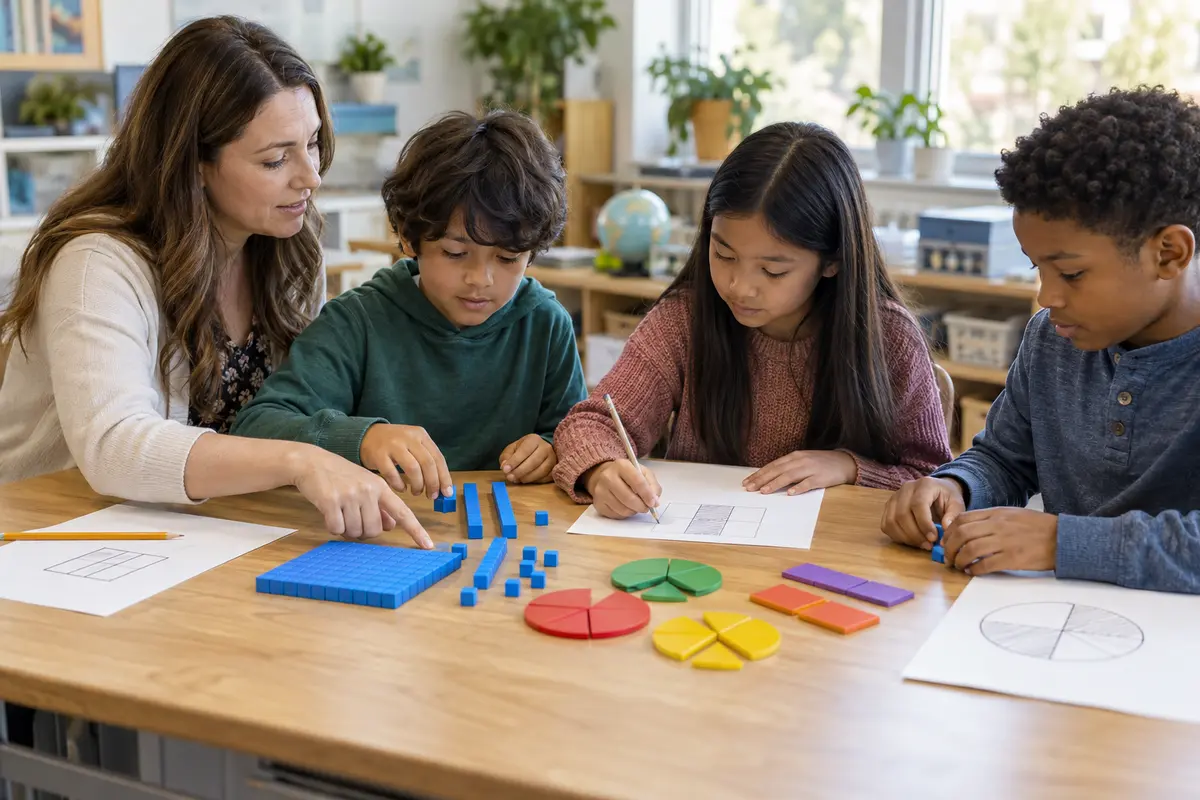 Math teaching strategies
A practical Choose–Name–Build–Draw–Symbol routine for connecting concrete tools, visual models, and mathematical notation.
Read the guide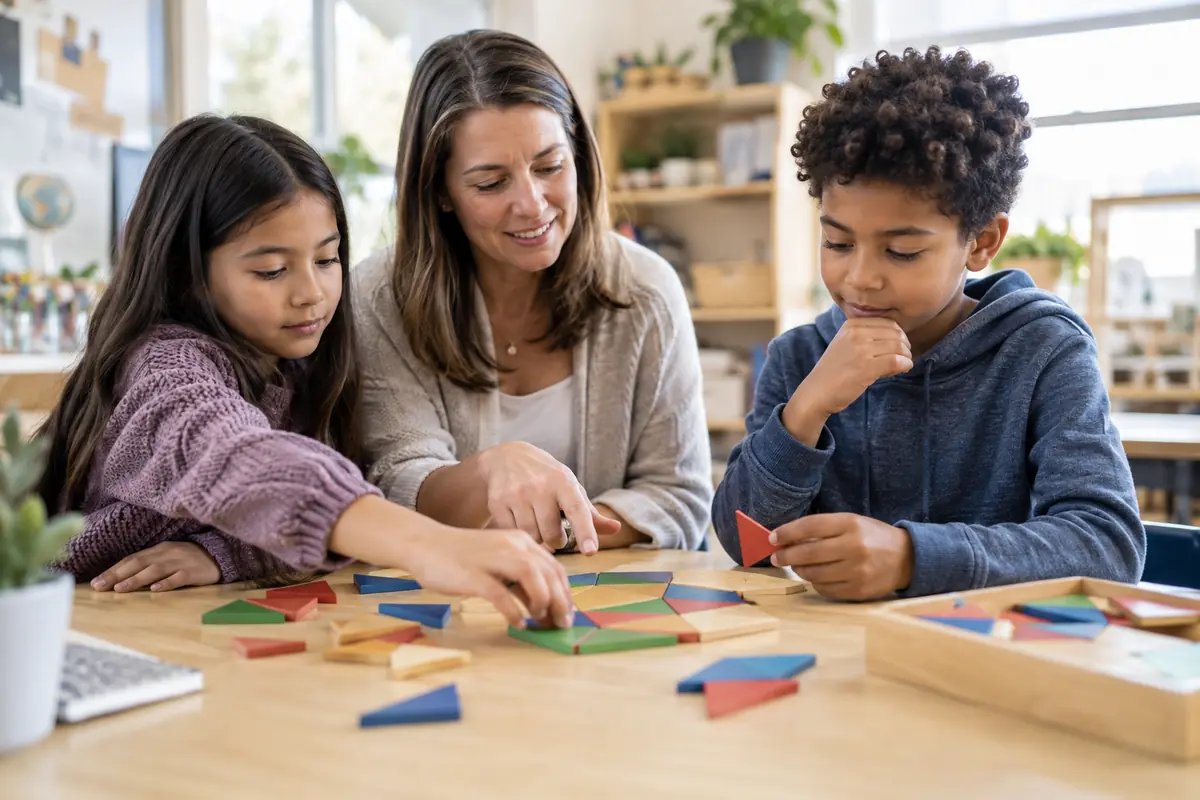 Learning strategies
A practical K–8 routine for noticing the clue in a mistake, explaining what happened, trying one focused change, and checking the new strategy.
Read the guide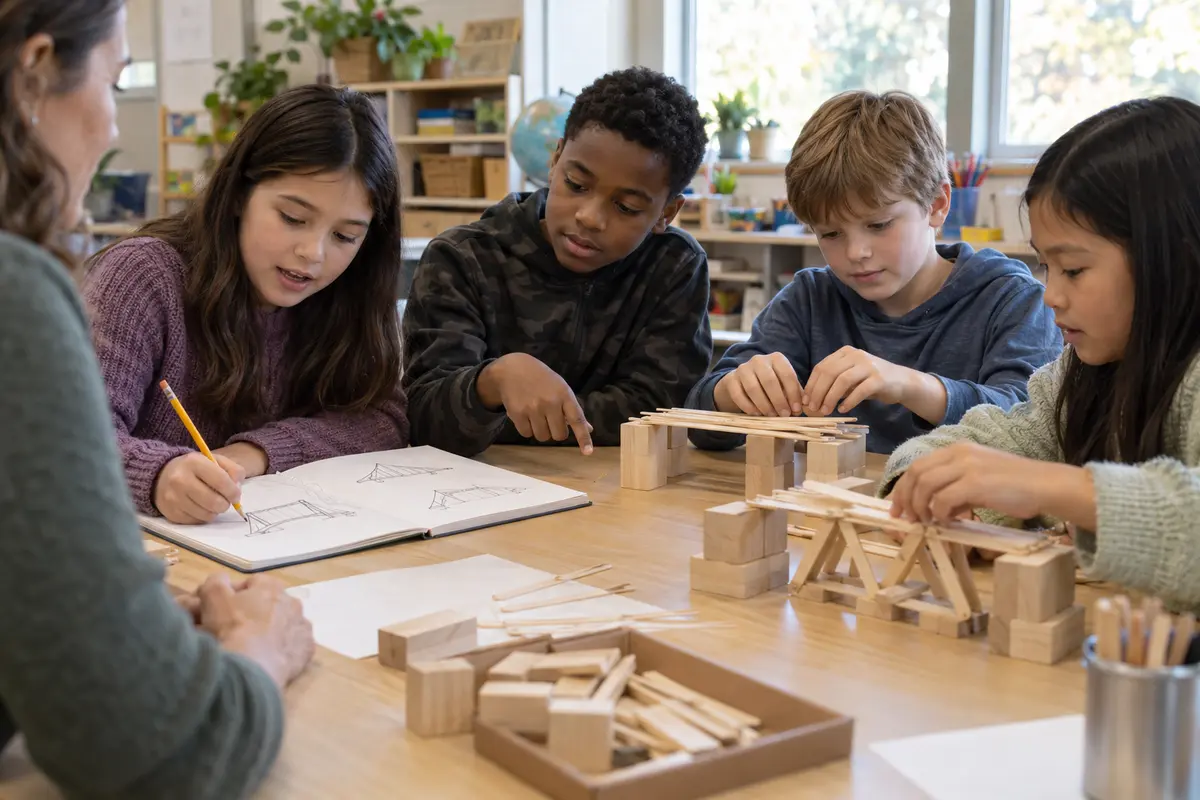 Creativity and problem solving
A practical K–8 routine for generating different ideas, choosing with a clear goal, testing, and improving one promising possibility.
Read the guide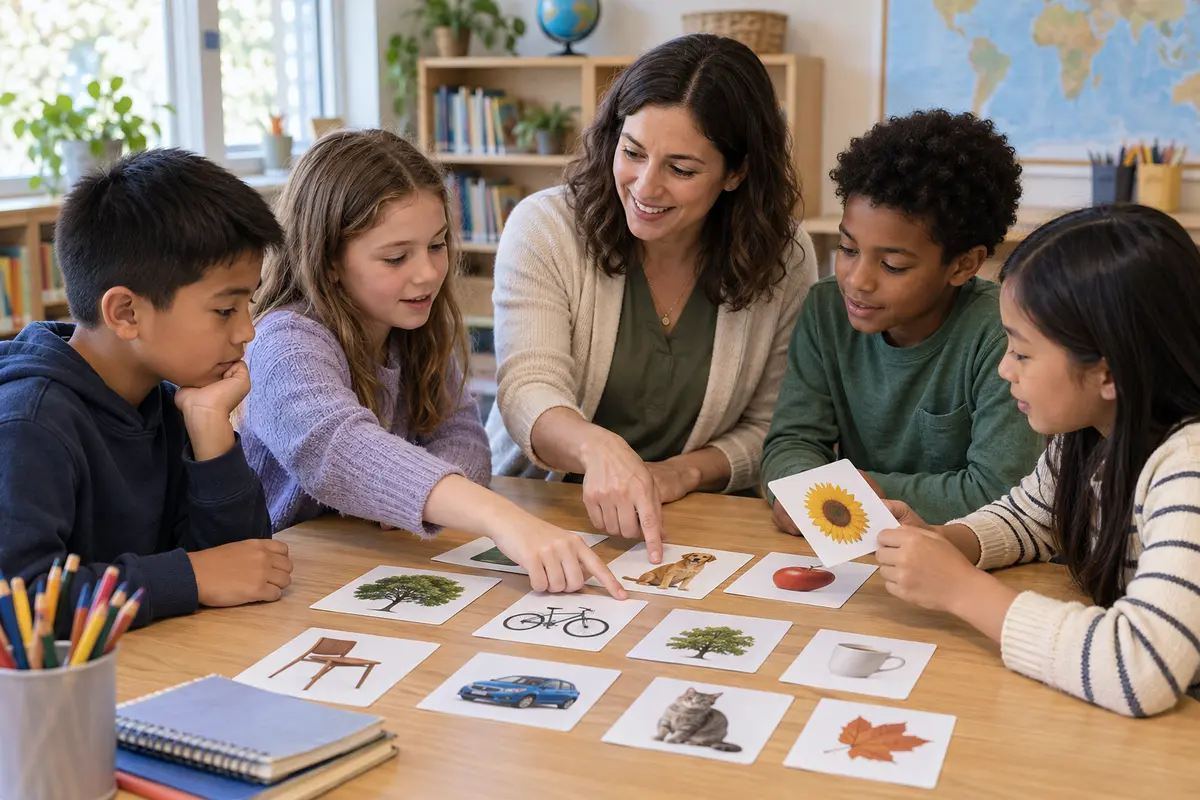 Language and literacy
Seven practical, grade-aware word games that build meaning through context, categories, word parts, speaking, and writing.
Read the guide Attention and learning routines
A practical K–8 guide to timing, leading, and ending short movement breaks so learners can return calmly to the next task.
Read the guide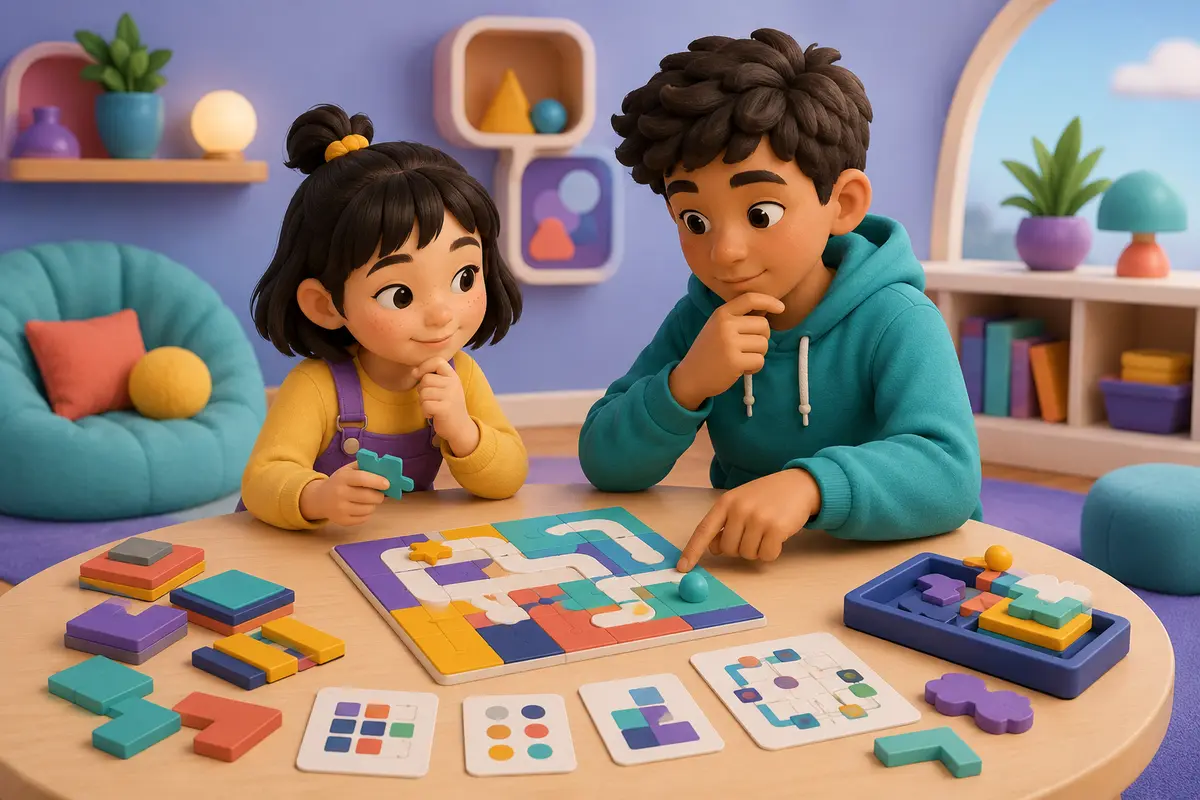 Logic and problem solving
A grade-aware guide to sorting, patterns, elimination, spatial reasoning, planning, and explaining the evidence behind a move.
Read the guide Math learning
A Read–Draw–Plan–Check routine for understanding, representing, solving, and checking K–8 math story problems.
Read the guide Math learning
Practical activities for comparing, estimating, representing, and reasoning about numbers from kindergarten through middle school.
Read the guide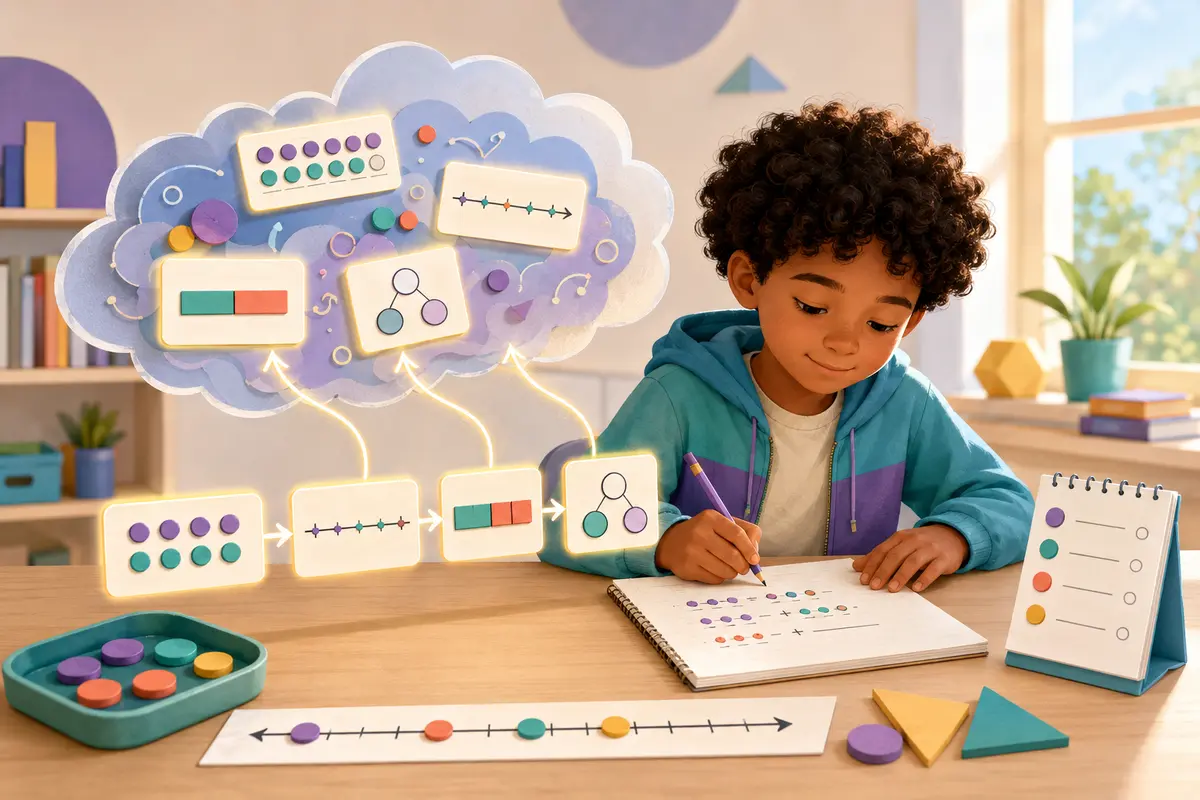 Memory and learning
Why children may know the math but lose the steps—and how visible supports can protect the reasoning.
Read the guide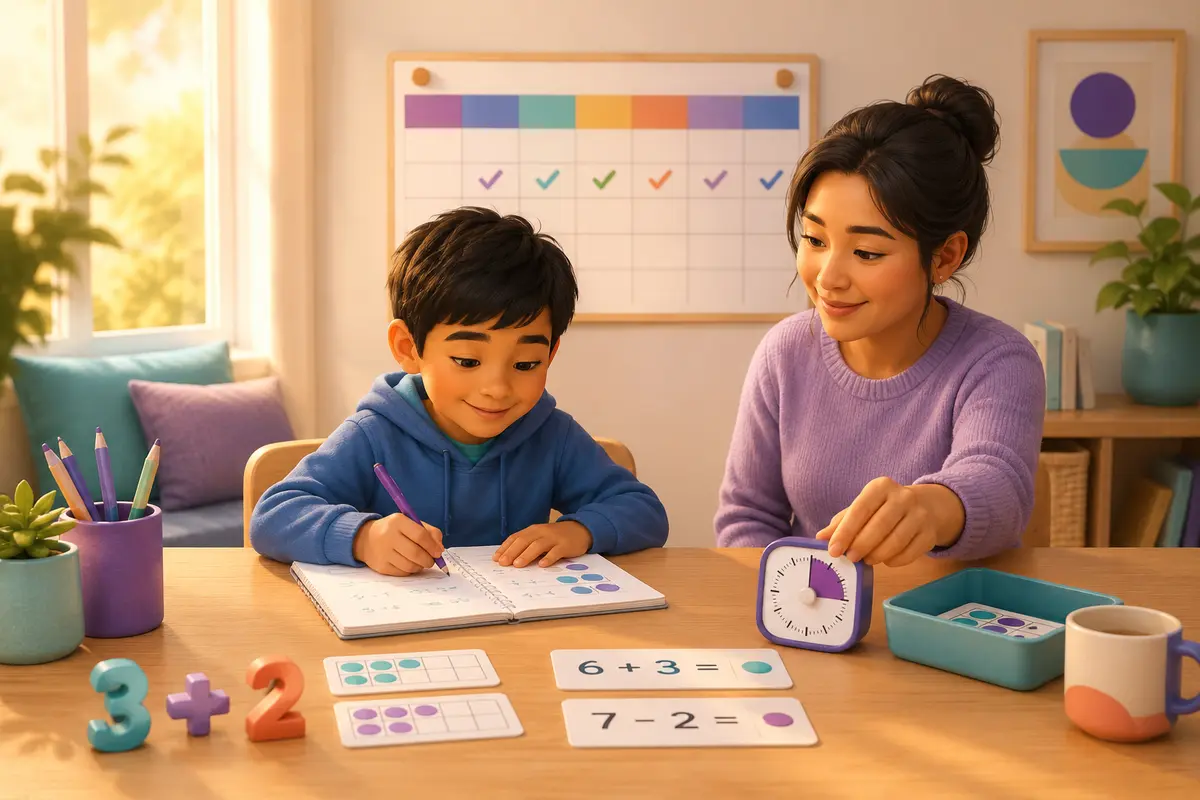 Math learning
A calm, realistic weekly routine built around short practice, spaced review, and room for family life.
Read the guide Math learning
A six-step help ladder for supporting a learner without taking over the thinking.
Read the guide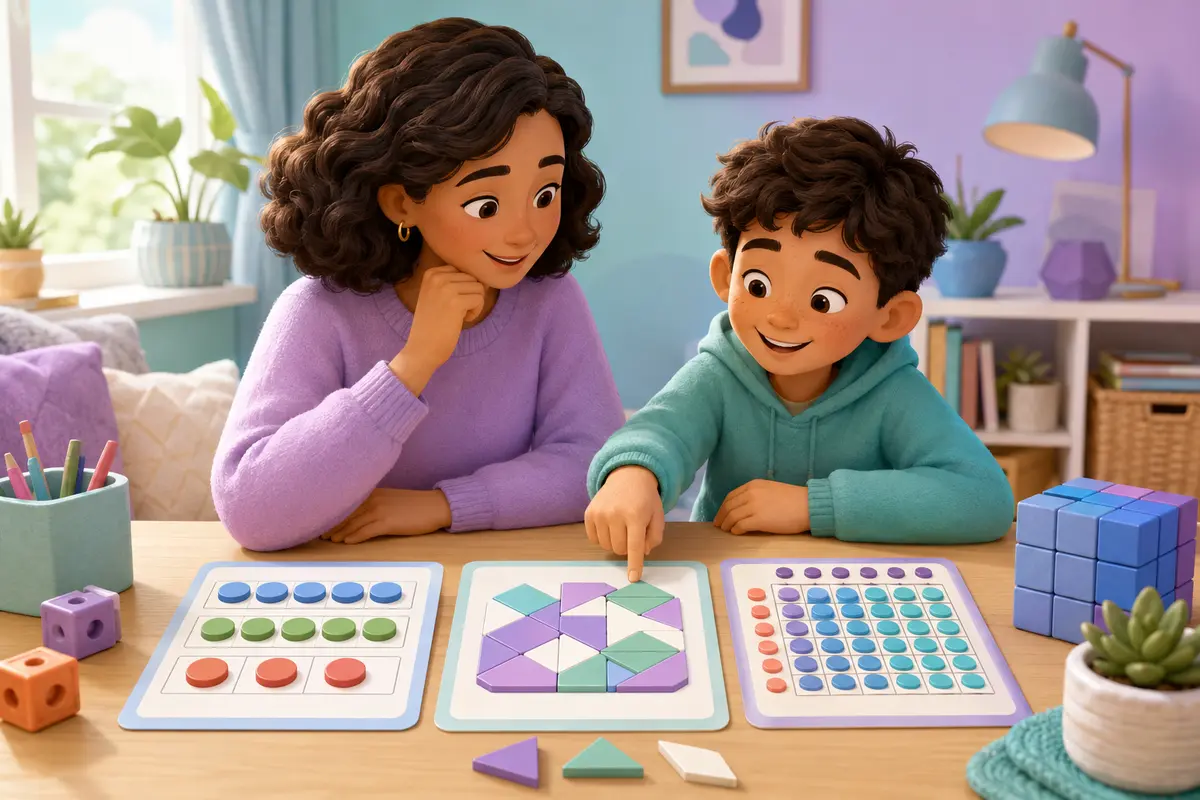 Math learning
A practical grade-by-grade guide to matching a game’s numbers, rules, visual support, and pace to the learner.
Read the guide